 UK
UK
 EU
EU
 US
US

Very good, myself , and parents use daily


Choose options


Knowledge Centre
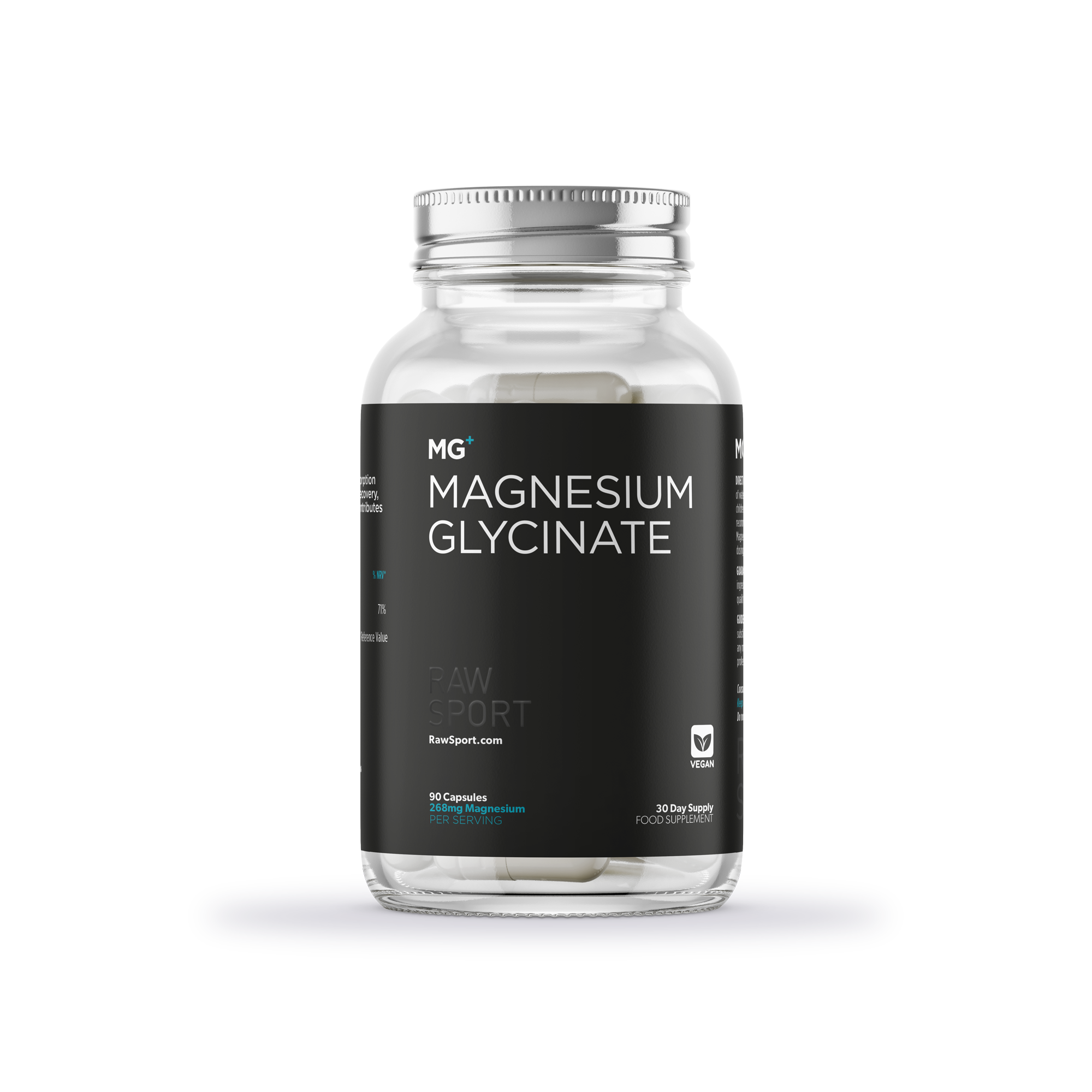
Magnesium Glycinate


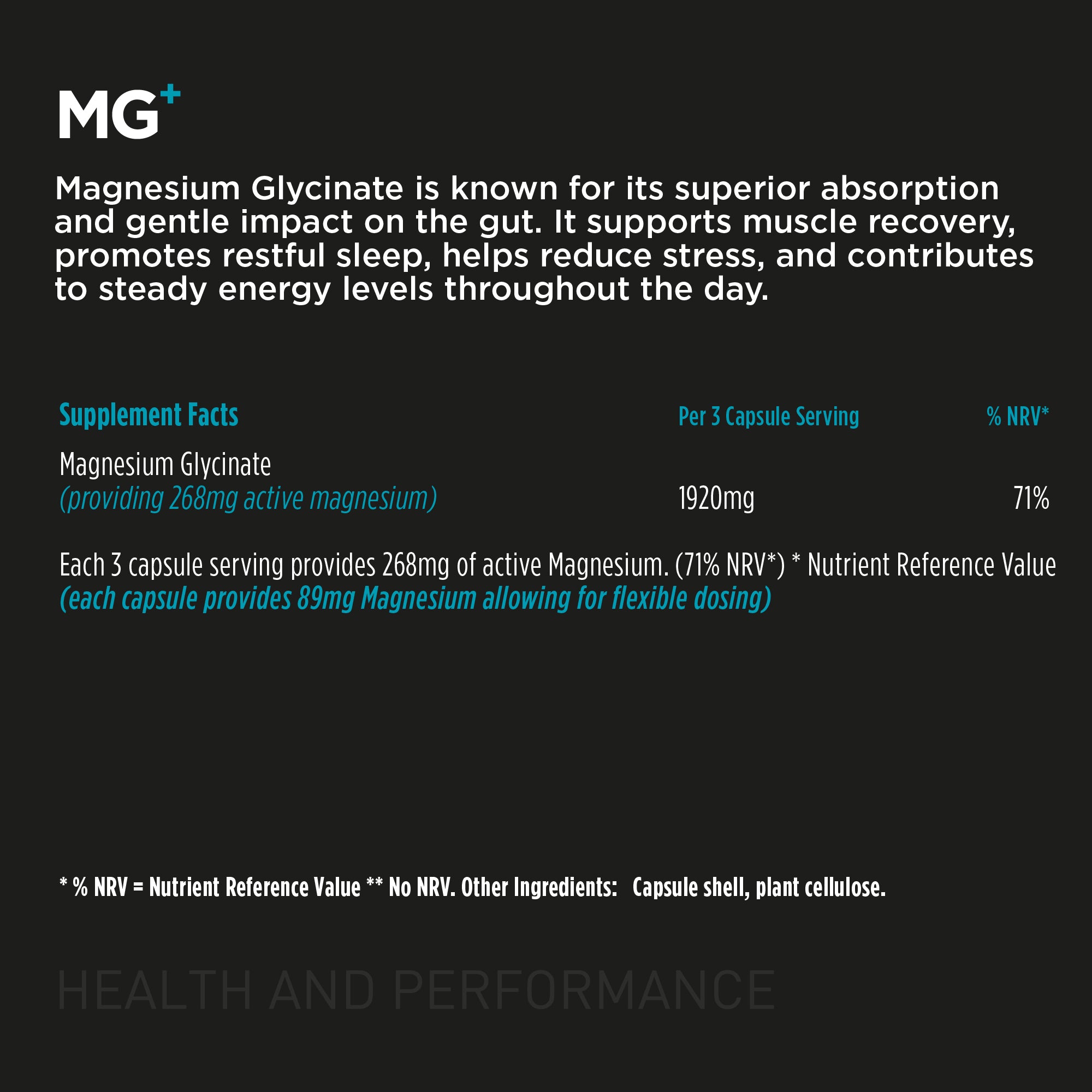
Magnesium glycinate is bonded with the amino acid glycine. It is the most absorbable form of magnesium and the best form to replenish depleted magnesium stores.


Overall rating: 4.9 / 5 from 154 reviews.
Very good, myself , and parents use daily

I feel more relaxed and focused after using this product. Highly recommend!

There is simply no other supplement on the market like Tri-Magnesium. It's helped with my sleep and Overall wellbeing. It's very difficult to get the different types of magnesium from your diet alone, so this is a must for anyone who takes there health seriously.

Magnesium keeps me relaxed and I enjoy the benefits of using it after a stressful day and after a workout

I think it works hard to tell

It's good

I'm surprised it works.

These green capsules are amongst the best examples of what might be called Green Energy. Three of these little devils give one not only a burst of energy but a satisfying feeling of well being.

On the 7th day of Christmas I took Raw Sport Tri magnesium I feel better and more alert and the product has out ingredients.

I add this to a home made green juice with ginger lemon parsley and basil 😋

Seems very effective at reducing inflammation. Can be mixed with liquids but watch out 3 capsules emptied in a liquid makes a fair peppery kick

Been suffering a little with low energy. Last bloods showed low iron. Feel the benefit 3weeks of taking the Herbal cleanse. Great feeling of overall well-being. Would recommend

Great products and fast delivery

Only being taking this for a couple of weeks and feel so much better

I use it at the end of the day. Always works.

Great product. I take it before work as I have a very physical job, it really gives me the energy I need

Great product feeling great taking this

All good

I do a lot of physical activity so I wanted something for my joints.. this was recommended to me.. very happy

Brilliant after a very intense work out when you’re feeling wobbly! helps aid recovery immensely when taken consistently everyday!

Definitely felt the difference! As someone who deals with IBS I felt these helped towards making me feel less bloated & much more energised!

Cortisol has all gone. Sleep os amazing. So much calmer and focused and it can only be due to this product.

After years of struggling with stress/anxiety. Cortisol was always an issue getting on stage. Wish recovery product was around then. Im sure i would have got bigger trophies. This has made so much difference. With the gyms closed and only limited equipment at home. I have abs.. seriously. Im 49yrs old in April. Abs have always been the last thing to show in comp prep. So i truly thank you. My self esteem has been boosted as i feel better about myself. Thank you xx

Very good products they where recommend to me by a friend who highly rated them and I am really loving the the progress so far can’t wait for them to be finished to see the end result

Currently training for an Ironman and definitely notice that recovery is significantly better after hard sessions.

I really feel like my mood has improved. My results at the doctor's have improved significantly. I recommend it to anyone who wants to take care of their health. Greetings Marcin

Awesome products does exactly what it says .. I've already reccomend it to family n friends great stuff

Brilliant

I enjoyed the calming effects of the adaptogenic blends and found it very beneficial taken late afternoon.

I take these with Raw Sport Pacifica everday for essential vitamins and minerals feel great and give me good energy

I take after my run and it helps massively with my recovery for my boxing at night

Good all round product sets you up good for the next day even after a few 🍷🍷🍷

Been on these green energy capsules for just over a week and can feel the benefits already. I work nights and have these when I wake up and my energy levels have got much better. I dont feel lethargic and tired all the time anymore. Also the customer service is outstanding I called them with a mistake I made when purchasing and that sorted it out straight away best customer service I have had for years 👌💪🏋️♂️

Feel great taking these. Give me more energy

These seem to work. I will keep taking these..

Felt benefits quickly with this product. Felt good energy and had no soreness after exercise, unbelievable. Fantastic product, highly recommend. Shipping was super fast.

Training for a duathlon can’t wait took there’s for the 1st time at the weekend only did 6 miles but kind of put me in a good place n when they kicked in it was like I was in a zone could of quite easily gone back out and done a half marathon 💥

Had a bad back and groin but when exercising did not feel a thing been to the doctors who put me on anti - inflammatory but gave me side effects these are working a treat 👍🏻

I've been taking a turmeric and black pepper supplement, but this has been far more effective - so pleased with the results.

Excellent product!!!